Energy-Efficient Rooflights: How Natural Light Can Lower Your Utility Bills
Incorporating rooflights into living spaces presents a valuable solution for improving energy efficiency. By optimizing natural light, homeowners can significantly reduce their dependency on artificial lighting and decrease electricity costs. The strategic placement of these installations not only brightens interiors but also assists in temperature regulation. However, understanding the appropriate types of rooflights and their installation is crucial for achieving maximum performance. What factors should homeowners assess when adding rooflights into their design?
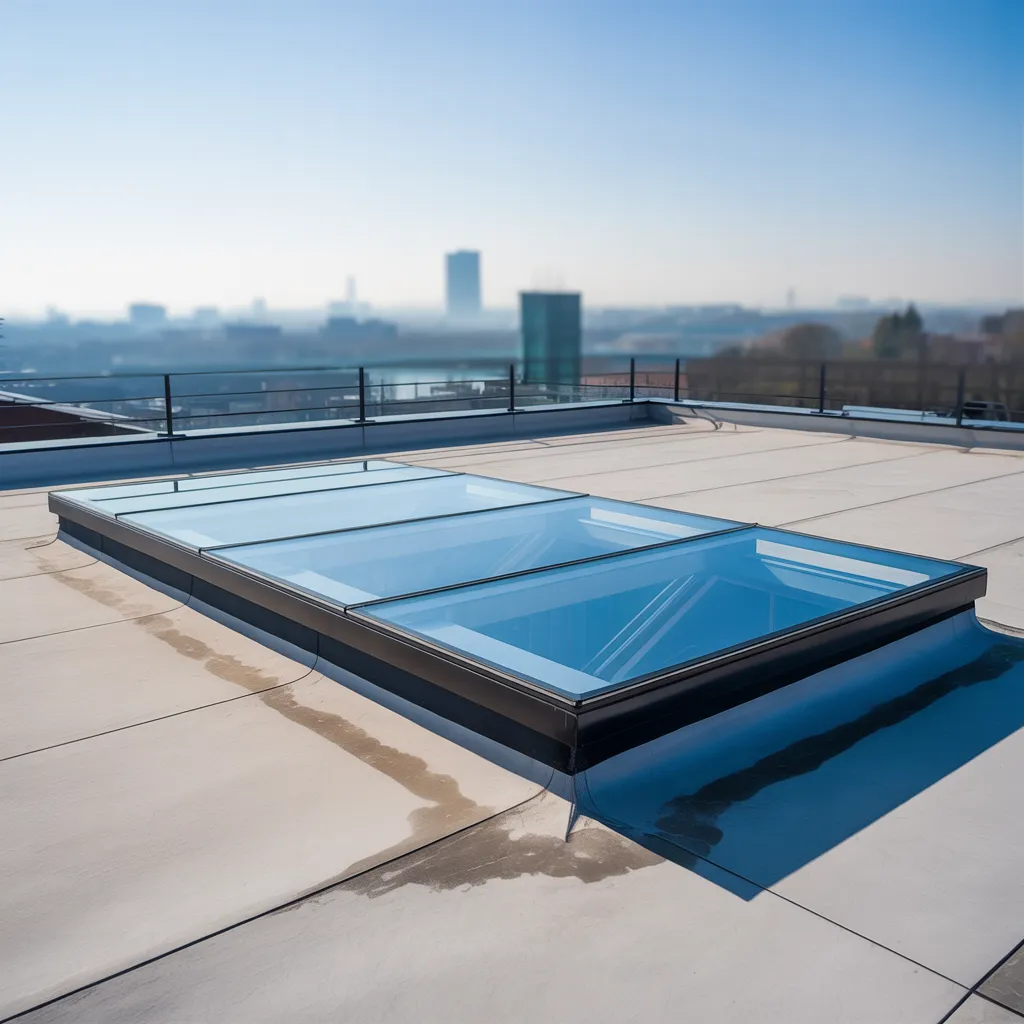
The Perks of Natural Light in Your Home
Although artificial lighting has its place, the merits of natural light in a home are significant. Natural light enhances the aesthetic appeal of living spaces, creating an inviting atmosphere that artificial lights struggle to replicate. It has been demonstrated to positively influence mood and productivity, as exposure to sunlight can boost serotonin levels. Additionally, natural light contributes to better health by regulating circadian rhythms, which are crucial for quality sleep.
Furthermore, homes abundant in natural light commonly feel roomier and expert guide at one with the outdoors, providing a sense of tranquility. The energy efficiency benefits can be considerable, as well; brightly lit spaces minimize the need for artificial lighting during the day, likely reducing electricity bills. Furthermore, natural light can highlight architectural features and furnishings, making a home feel livelier and alive. In the end, embracing natural light can foster a more pleasant living environment.

The Way Rooflights Improve Energy Efficiency
Rooflights function as an effective method to capture natural light, additionally increasing a home's energy efficiency. By permitting daylight to penetrate living spaces, rooflights minimize reliance on artificial lighting, which can greatly decrease electricity consumption. This influx of natural light not only brightens interiors but also creates a more pleasant living environment.
Moreover, strategically placed rooflights can help regulate indoor temperatures, reducing the demand for heating and cooling systems. During hotter months, they can be engineered to supply ventilation, enabling hot air to escape, thus reducing the reliance on air conditioning.
In winter, rooflights can gather sunlight, working to warm spaces naturally. The use of superior, insulated rooflights also limits heat loss, guaranteeing that homes remain energy-efficient across all seasons. Together, these benefits reveal how rooflights can be a beneficial addition to sustainable home design, resulting in reduced utility bills and a reduced carbon footprint.
Selecting the Best Rooflights for Your Space
When choosing rooflights for a space, it is important to consider the particular needs and characteristics of the area. Factors such as room size, ceiling height, and the intended application of the space play a critical role in this decision. For instance, larger areas may gain from multiple small rooflights, while a smaller, more intimate space might require a single, larger unit to maximize natural light.
In addition, the orientation of the building must be taken into account, as it influences the amount of sunlight obtained throughout the day. North-facing rooflights deliver even, diffused light, while south-facing solutions can generate increased heat gain. Material choice is also important; double or triple glazing can enhance insulation and decrease heat loss. Finally, selecting the right rooflights necessitates a balance between aesthetics, functionality, and energy efficiency, confirming that the chosen solution aligns with the overall design and energy goals of the building.
Setup Factors for Peak Performance
Selecting the suitable rooflights establishes the foundation for proper installation, which is fundamental for attaining maximum performance. Appropriate placement is vital; rooflights should be situated to capture optimal daylight while minimizing glare and heat gain. Thorough attention must be paid to the structural integrity of the roof, confirming that the installation does not compromise structural stability or durability.
In addition, it is crucial to use superior flashing and insulation materials to avoid leaks and thermal bridging. The sealing process should be thorough, as gaps can result in energy loss and lowered performance.
Taking into account the local climate is also important; regions with high wind or snow loads may need specific reinforcement measures. Finally, following the manufacturer's guidelines guarantees that the rooflights function as intended, enhancing energy efficiency while providing the desired natural light. Proper installation directly impacts both the functionality and longevity of the rooflights.
Additional Tips for Enhancing Energy Efficiency
To enhance energy efficiency, it is vital to consider additional strategies beyond proper installation. Homeowners can improve the effectiveness of rooflights by incorporating energy-efficient glazing, such as low-emissivity (low-E) glass, which reduces heat loss while allowing ample natural light. Furthermore, using solar control films can minimize glare and overheating, further enhancing indoor comfort.
Deploying automated shading systems can also enhance energy efficiency by adapting to varying sunlight conditions throughout the day. Regular maintenance, including maintaining the rooflights and checking seals, ensures they function at their best.
Moreover, strategically positioning rooflights in essential areas can maximize daylighting, minimizing reliance on artificial lighting. Pairing rooflights with other energy-efficient features, such as LED lighting and smart thermostats, creates a holistic approach to energy savings. By combining these strategies, homeowners can substantially reduce utility bills while benefiting from the aesthetic and health benefits of natural light.
Frequently Asked Questions
In What Ways Do Rooflights Impact Indoor Climate Control?
Rooflights enhance indoor temperature control by permitting natural light to penetrate, which can decrease dependency on artificial heating and cooling. This inflow of sunlight can help maintaining a more consistent and comfortable indoor climate throughout the year.
Can Rooflights Help Reduce Reliance on Artificial Lighting?
Rooflights can significantly decrease dependency on artificial lighting by permitting natural light to illuminate indoor spaces. This not only elevates the aesthetic appeal but also supports energy savings, likely decreasing overall utility costs for occupants.
What Maintenance is Required for Rooflights to Perform Optimally?
Routine maintenance of rooflights includes washing the glass to avoid dirt buildup, checking seals for leaks, and checking frames for damage. Maintaining proper drainage and resolving any obstructions also supports peak performance and longevity.
Are There Any Tax Incentives for Installing Energy-Efficient Rooflights?
Certainly, multiple tax advantages might be obtainable for installing energy-efficient rooflights, subject to local regulations. Residential property owners should examine federal, state, and local programs that encourage energy efficiency to increase potential savings through such installations.
What Rooflight Varieties Are Most Suitable for Various Climates?
For warm weather locations, stationary rooflights featuring UV protection work best, while openable rooflights enable airflow. In cold climate areas, rooflights with triple glazing deliver insulation. Each type caters to specific climate needs, improving comfort levels and energy performance.